Grub Damage vs Drought Stress: How to Tell the Difference in Norman Lawns
Fantastic Lawn • May 2026 • Norman, OK
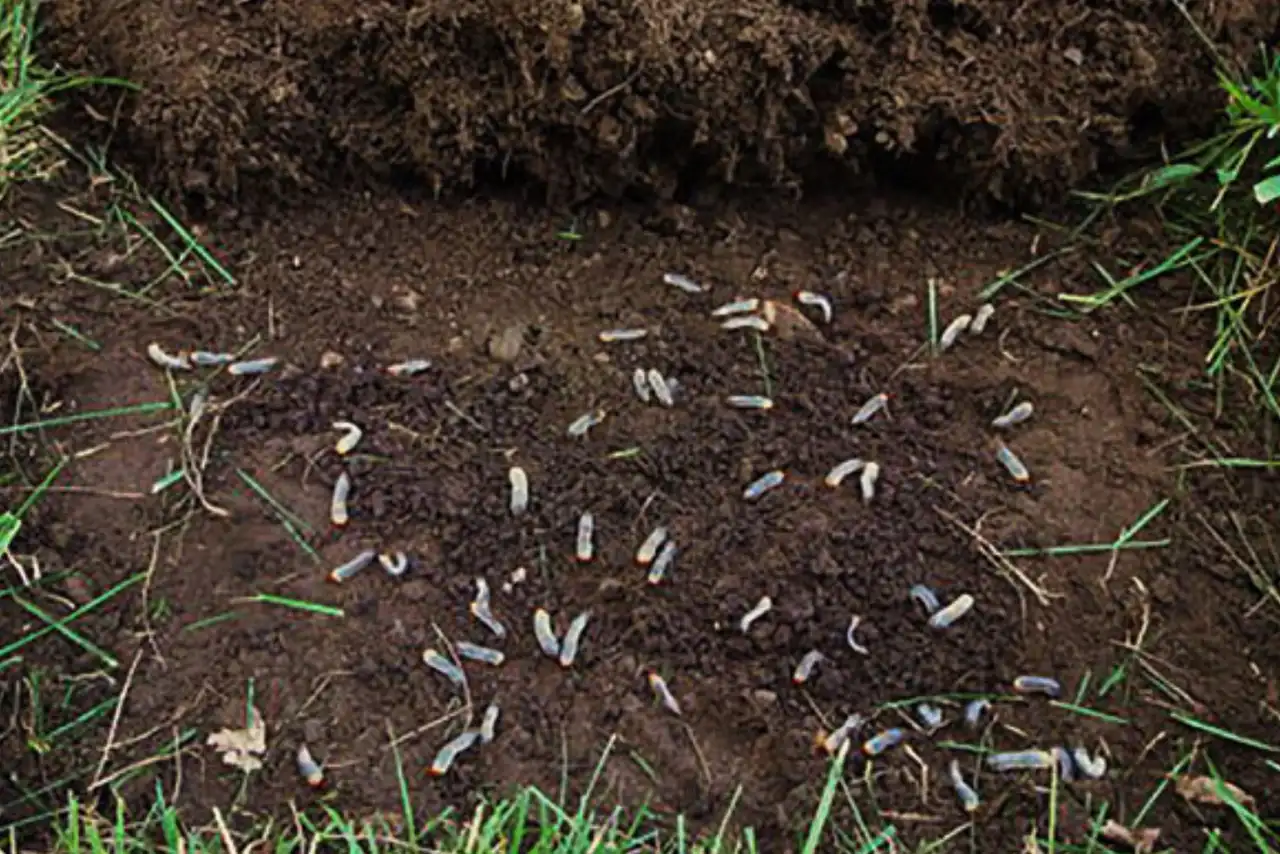
Grub damage and drought stress can both produce brown patches in your Norman lawn — but they look and behave differently. Here is how to figure out which you have, plus how to address each one before damage spreads.
Why This Question Matters
If you are seeing brown patches in your Norman or Moore lawn and you are trying to figure out whether you have grub damage or drought stress, you are asking the right question. Both produce dead-looking grass. Both tend to show up in mid-to-late summer. And the homeowner instinct to "water it more" is exactly the wrong move in one case and exactly the right move in the other. The treatments are completely different, and treating the wrong one wastes money.
What Grub Damage Looks Like
Grubs are beetle larvae that live in the soil and feed on grass roots from below. By mid-summer, an active grub population can chew through enough roots to kill the grass above ground.
Spongy or Springy Turf
The grass has lost its anchor in the soil because the roots are gone. Walking on it feels soft and unnatural.
Sections That Lift Like a Rug
A severely damaged section can roll back like a loose rug, exposing bare soil and visible grub larvae underneath.
Animal Digging
Skunks, raccoons, possums, and birds dig up grubs as a food source. Heavy digging activity is a near-certain grub indicator.
Brown That Doesn't Respond to Water
The roots are dead. No amount of water will green the grass back up. Random patch distribution follows where beetles laid eggs.
What Drought Stress Looks Like
Drought stress is straightforward. The lawn is not getting enough water for the conditions, and the grass goes dormant or dies depending on severity.
Even Browning in Exposed Areas
Most visible on south-facing slopes, near driveways, or in the corners of irrigation zones where coverage is weakest.
Footprint Test
Walk across the lawn. If footprints stay visible because grass blades are too dehydrated to spring back, that is an early drought warning sign.
Dry, Crispy Blades
Dehydrated blades have a different feel from rotted or eaten blades. Soil also feels dry 2 to 3 inches down when probed.
Responds to Watering
Grass that bounces back visibly within a few days of watering confirms drought stress. This is the most useful diagnostic of all.
The 60-Second Diagnostic
Here is the quickest way to tell what is happening in your lawn.
Step 1: Tug the Grass
Tug on the brown grass at the edge of a patch. If a section lifts up like a carpet with chewed-off roots, that is grubs. If it stays attached, move on.
Step 2: Probe the Soil
Push a screwdriver or moisture probe into the soil. If the soil is moist 2 to 3 inches down, drought is not the issue. If it is dry, drought stress is plausible.
Step 3: Look for Animal Digging
Disturbed turf, holes, or scratched-up areas are nearly always grub-related. This is a near-certain indicator when present.
Step 4: Water and Wait
Water deeply for 3 to 5 days and see what happens. Drought stress responds visibly. Grub damage does not improve.
Confirming Grubs
If grubs are suspected, the confirmation is direct. Cut a 6-inch by 6-inch square of turf about 3 inches deep at the edge of an affected area. Look at the soil and exposed root zone. Grubs are white, C-shaped, with brown heads and visible legs. They are unmistakable when you see them.
Threshold for treatment varies by grass type. Bermuda and Zoysia tolerate up to 10 grubs per square foot. Cool-season grasses show damage at 5 to 6 per square foot. If you find more than that, treatment is warranted.
Treatment Options
Treating Grubs
Grub treatment uses systemic insecticides applied to the soil and watered in. The most effective timing is mid-July through mid-August when newly hatched grubs are small and feeding actively near the surface. Spring treatments on mature grubs are much less effective. For lawns with a grub history, preventative treatment in late spring before egg-laying is the cleanest approach.
Treating Drought Stress
Drought-stressed grass typically recovers with proper watering: 1 to 1.5 inches per week, applied in 2 deep cycles rather than daily light watering, in the early morning. Expect visible recovery within 2 to 3 weeks if crowns are still alive. Audit sprinkler coverage with empty cans during a 15-minute zone run and address weak spots. Severe damage may need overseeding or plugging.
What If Both Are Present?
Sometimes both are happening on the same property. A drought-stressed lawn is also weakened against grub damage, and grub damage exposes more soil that dries out faster. The two can compound each other.
The right approach when both are present is to address grubs first — since drought watering will not bring back grub-killed grass — and then improve watering. Once grubs are controlled, fix the watering, and recovery starts on both fronts.
Recovery Timeline
Drought Stress Recovery
Drought stress that has not killed the crowns recovers within 2 to 4 weeks of proper watering. Damage that has killed grass needs reseeding or plugging plus several months of recovery time.
Grub Damage Recovery
Grub damage requires reseeding or plugging once the population is treated. The roots are gone, so the dead grass stays dead. Recovery time depends on how much area was affected and the restoration method used.
Not Sure What's Killing Your Lawn?
If you have brown patches in your Norman or Moore lawn and you are not sure whether grubs or drought is the cause, we are glad to come diagnose it. We will dig sample plugs, check soil moisture, look at the patterns and damage, and tell you exactly what is happening. Reach out anytime.