Why Is My Bermuda Grass Slow to Green Up in Edmond?
Top 5 Reasons
Fantastic Lawn • May 2026 • Edmond, OK
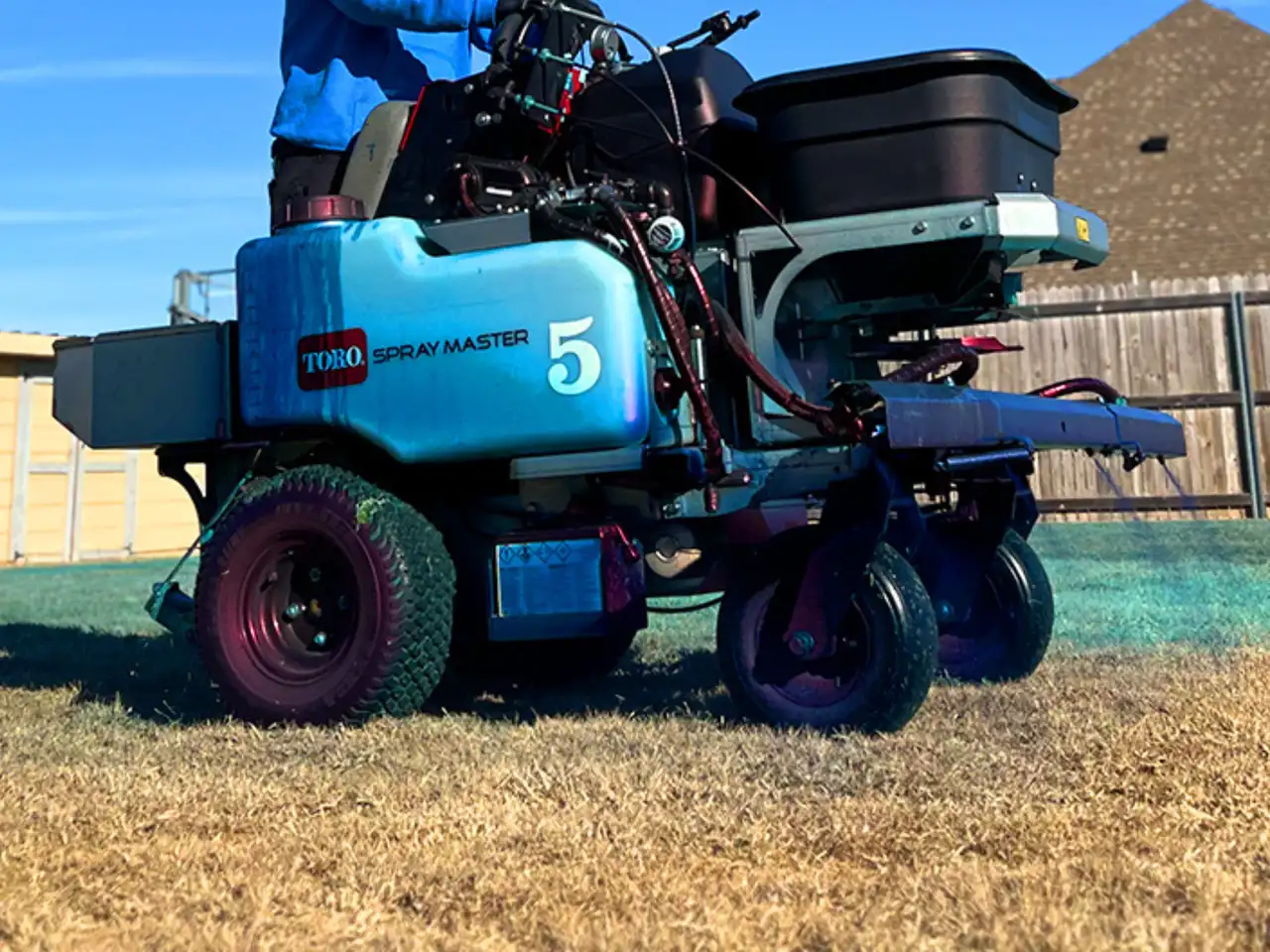
When Bermuda lawns in Edmond are slow to green up in spring, the cause is almost always one of five things: cold soil that has not warmed enough, last year's damage that the grass is still recovering from, an early or improperly timed pre-emergent that suppressed green-up, soil chemistry that is locking up nutrients, or shade and traffic that have weakened the lawn over time. Most years, Bermuda starts greening when soil temperatures cross 65 degrees consistently.
The Common Pattern in Edmond Each Spring
If you have driven around Edmond this spring and noticed some Bermuda lawns looking lush and green while others — maybe yours — are still mostly brown, you are seeing a common pattern. Bermuda greens up unevenly across the area each spring, and the differences come down to specific conditions on each property. The good news is that slow green-up is rarely a sign of permanent damage. Most lawns are catching up by late May. The frustrating part is the visible gap with neighbors during the lag, and the legitimate concern that something might be wrong.
The Top 5 Reasons Your Bermuda Is Lagging
1. Soil Temperature Is Still Too Cold
Bermuda is a warm-season grass that needs warmth to wake up. The threshold is when soil temperatures cross 65°F consistently at 4 inches deep. Until that happens, the grass stays dormant regardless of fertilizer applied. In cooler Edmond springs, that threshold can stretch into mid-May. North-facing yards, shaded spots, or low-lying areas lag the area average by a week or two.
The fix: Patience. Throwing fertilizer down before the soil warms wastes product and stresses dormant grass. Wait until you see active growth, then feed.
2. Damage From Last Year Is Still Recovering
Bermuda has remarkable recovery powers, but it does not bounce back instantly. Damage from drought stress, disease, grub damage, traffic wear, or herbicide damage from the previous summer or fall can show as slow or thin spring green-up while the root system rebuilds.
The clue: Check if slow areas correspond to where damage was visible last year. If yes, you are watching recovery happen. Aeration, proper fertility, and consistent watering accelerate the process.
3. Pre-Emergent Timing or Product Issues
Pre-emergent herbicides stop crabgrass from germinating, but heavy rates, certain chemistries, or applications made when Bermuda was already breaking dormancy can suppress early growth. If you applied pre-emergent and your green-up is significantly behind expectations, this is worth considering.
The effect is temporary — the lawn catches up within a few weeks once it pushes through. But during the lag, the visual gap with un-treated neighbors can be striking.
4. Soil Chemistry Is Locking Up Nutrients
Bermuda needs nitrogen and several minor nutrients to fuel green-up. If soil pH is out of range — most Oklahoma soils run alkaline — nutrients get locked up and fertilizer produces less response than expected. Iron deficiency is particularly common in alkaline soils.
A chelated iron application to an iron-deficient lawn produces visible greening within 5 to 7 days. A soil test plus targeted amendments often dramatically improves spring green-up the following year.
5. Shade and Traffic Have Weakened the Lawn
Bermuda needs at least 6 hours of direct sun per day to thrive. Yards with mature trees or north-facing exposures often have areas where Bermuda has been gradually thinning for years. High-traffic spots compact the soil and damage the grass — both green up later than healthy turf.
Long-term solutions: selective tree thinning, traffic re-routing, and aeration. Short-term, expect those spots to lag and fill in once the rest of the lawn is fully green.
How to Figure Out Which One Is Yours
Compare to Neighbors
If everyone on your block is slow, it is probably soil temperature. Wait it out — this is normal seasonal lag, not a lawn problem.
Look at the Pattern
Slow areas matching last year's damage? Recovery. Evenly distributed? Check fertility and pre-emergent. Shade or traffic zones? Those are the underlying issues.
Test the Soil
Soil chemistry changes slowly. If you have not tested in the past few years, a soil test is the only reliable way to know where you stand.
What Speeds Up Green-Up
Timed Fertilization
Apply fertilizer timed to active growth — not before soil is warm. Feeding dormant grass wastes product and can cause stress.
Iron Application
Chelated iron gives a quick greening bump for lawns with iron-related yellowing. Visible results within 5 to 7 days on iron-deficient turf.
Proper Mowing Height
Mow around 1.5 inches for common Bermuda, slightly higher for hybrids. This keeps the lawn dense without scalping recovering plants.
Deep, Infrequent Watering
Bermuda waking up needs consistent moisture, not heavy daily watering. Deep infrequent watering is better than daily light watering.
Want a Real Diagnosis for Your Lawn?
If your Bermuda lawn in Edmond, Oklahoma City, or Norman is significantly behind expected green-up, we are glad to come walk it. We will look at exposures, soil conditions, recent treatment history, and any visible damage — and tell you whether this is normal lag or something worth addressing now.