Chinch Bugs in OKC Metro Lawns
The Late-Summer Pest Hiding in Your Hot, Dry Spots
Fantastic Lawn • August 2026 • Edmond & Oklahoma City, OK
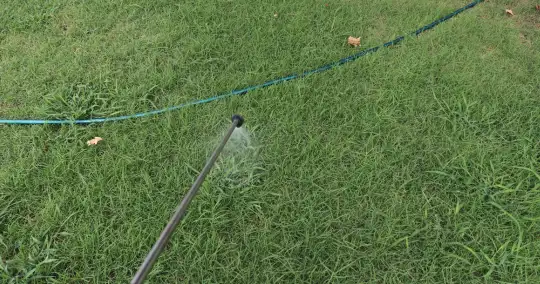
Chinch bugs are a late-summer pest that thrive in the hottest, driest, sunniest parts of an OKC metro lawn — often the strips along driveways, sidewalks, and south-facing foundations. Their feeding produces irregular yellowing and browning that spreads outward and is almost always mistaken for drought or heat stress, which is why so many homeowners water more and watch the damage keep expanding.
Why Chinch Bugs Fool So Many Homeowners
Most late-summer lawn damage in Edmond, Norman, and across the OKC metro turns out to be shallow watering, heat stress, or a coverage gap in irrigation. But there is one pest that produces damage looking almost exactly like drought, and it fools homeowners every August. That pest is the chinch bug.
Chinch bugs matter because the natural response to their damage — watering more — is exactly the wrong move and often makes it worse. They thrive in hot, dry turf, and a homeowner pouring water on what they think is a drought problem is treating the symptom while the actual cause keeps feeding and spreading.
What Chinch Bugs Are and Why Late Summer Is Their Window
How They Feed
Chinch bugs insert their mouthparts into grass stems and crowns to suck out the plant's fluids. As they feed, they also inject a substance that disrupts the plant's ability to move water — a double hit that causes yellowing turning to browning in irregular, expanding patches.
Peak Season: Late Summer
Their population peaks in the hottest, driest part of the year — in the OKC metro, that means late summer. Hot, dry conditions favor their reproduction and stress the grass, so the lawn is least able to defend itself exactly when chinch bug pressure is highest.
Where They Strike First
Chinch bugs strongly prefer full sun and heat, which is why damage shows up first in the hottest parts of the lawn — not in shade or low, moist areas. Look along driveways, sidewalks, and south- or west-facing sections near heat-radiating concrete.
Why Chinch Bug Damage Gets Misdiagnosed as Drought
Chinch bug damage and drought stress look nearly identical from the sidewalk: irregular yellow-to-brown areas in the sunniest, hottest parts of the lawn, often along the south or west side of the house and next to heat-radiating concrete. Both show up in the same places because chinch bugs prefer the same hot, dry zones that dry out first.
True Drought
When you increase watering on a true drought problem, the lawn improves. The yellow and brown areas green back up within days of deeper, more consistent watering.
Chinch Bug Damage
When you increase watering on chinch bug damage, the lawn keeps declining and patches keep expanding outward — because the water does nothing about the insects steadily feeding on the crowns. This stubborn, spreading decline despite more water is the single biggest clue you are dealing with an insect, not a moisture problem.
Where to Look and How to Confirm Them
Confirming chinch bugs takes about two minutes and removes all the guesswork. They concentrate at the edges of damaged areas — in the transition zone between the browning turf and the still-green grass — because that is the advancing front where they are actively feeding. The dead center of a patch usually has few of them left; they have already moved outward to fresh grass.
The Part-and-Look Method
Get down at the edge of a damaged area, part the grass down to the soil surface, and look closely at the thatch and soil line for thirty seconds. Adult chinch bugs are small — about a sixth of an inch — with black bodies and white wings folded over their backs. Nymphs are smaller and often reddish with a pale band. They move when disturbed. Seeing several in the transition zone confirms it.
The Float Test
Cut both ends out of a metal can to make an open cylinder, push it a couple of inches into the soil at the edge of a damaged area, and fill it with water. Chinch bugs are buoyant, so within a few minutes they float to the surface where you can count them. Finding several in that small area indicates a population worth treating rather than a stray insect or two.
How to Treat Chinch Bugs
Confirmed chinch bug activity calls for a targeted insecticide application. Because the insects concentrate in and around the damaged areas, treatment focuses there and on the surrounding healthy turf they are advancing into — not blanketing the whole property.
Targeted Treatment
Apply insecticide to confirmed activity zones and the surrounding healthy turf the bugs are advancing into. Timing and watering practices after application both affect how well treatment works.
Lawn Recovery
The damaged turf needs help recovering. On a Bermuda lawn in late summer, that means correct watering, appropriate fertility, and giving the lawn a chance to fill back in from runners. Bermuda is an aggressive recovery grass — once the chinch bugs are stopped, moderate damage usually fills in.
Severe Damage
Severe areas may need overseeding or sodding attention in the fall, but the lawn is rarely a total loss if the infestation is caught and stopped. A professional confirmation and treatment earns its value — correctly distinguishing chinch bugs from drought is exactly the kind of misdiagnosis that costs homeowners a season.
How to Make a Lawn Less Hospitable to Chinch Bugs
Beyond treating an active infestation, a few cultural factors influence how badly a lawn gets hit. None of this replaces treatment once an infestation is confirmed, but it explains why some lawns get hit year after year while others nearby do not.
Control Thatch
Chinch bugs favor lawns with heavy thatch — the thatch layer gives them shelter and holds the warm, dry conditions they like. A lawn with excessive thatch is significantly more prone to infestation.
Water Deeply and Infrequently
Deep-and-infrequent watering builds a resilient root system and makes turf a less attractive target. Drought-stressed, over-sunny, heat-loaded turf is more vulnerable to chinch bug damage.
Mow at Proper Height
A dense, well-managed lawn with proper mowing height is simply a harder place for chinch bugs to build a damaging population. Cultural practices that build lawn resilience also reduce chinch bug pressure long term.
Frequently Asked Questions
How do I know if it is chinch bugs or just drought?
The clearest sign is that the damage keeps spreading despite more water. True drought improves with deeper watering; chinch bug damage does not, because the insects keep feeding regardless. Confirm by parting the grass at the edge of a damaged area or running a float test and looking for the small black-and-white insects.
Where on my lawn should I check?
The hottest, sunniest, driest areas first: strips along driveways and sidewalks, south- and west-facing sections, and spots next to heat-radiating concrete or brick. Within those areas, look at the transition zone between brown and green turf, where the bugs are actively advancing.
Will my lawn recover from chinch bug damage?
Usually, on Bermuda, once the bugs are controlled. Bermuda recovers aggressively from runners, so moderate damage fills back in with correct watering and seasonally appropriate care. Severe areas may need overseeding or sod attention in the fall, but the lawn is rarely a total loss if the infestation is caught and stopped.
Can I prevent chinch bugs?
You cannot guarantee they stay away, but you can make the lawn less attractive: control thatch, water deeply and infrequently, and keep the turf dense and properly mowed. Lawns with heavy thatch and chronic heat-and-drought stress are the ones that get hit hardest.
The Bottom Line
Chinch bugs are the late-summer pest most likely to be mistaken for drought in the OKC metro, and that misdiagnosis is exactly what lets them spread. The rule to remember is simple: if a hot, sunny area keeps declining no matter how much you water, stop watering blindly and check for the bugs. Confirm them with a two-minute part-and-look or float test, treat the confirmed activity in a targeted way, and then help the lawn recover. Catching the difference between an insect and a moisture problem is what saves the lawn and the wasted water.
What to Do Next
If a hot, sunny part of your lawn keeps browning no matter how much you water, we are glad to come confirm whether it is chinch bugs or a moisture problem before you spend another dollar on the wrong fix. We will identify the cause, treat what needs treating, and lay out a recovery plan. We serve Edmond, North Oklahoma City, Yukon, Norman, Moore, and surrounding OKC metro communities.